
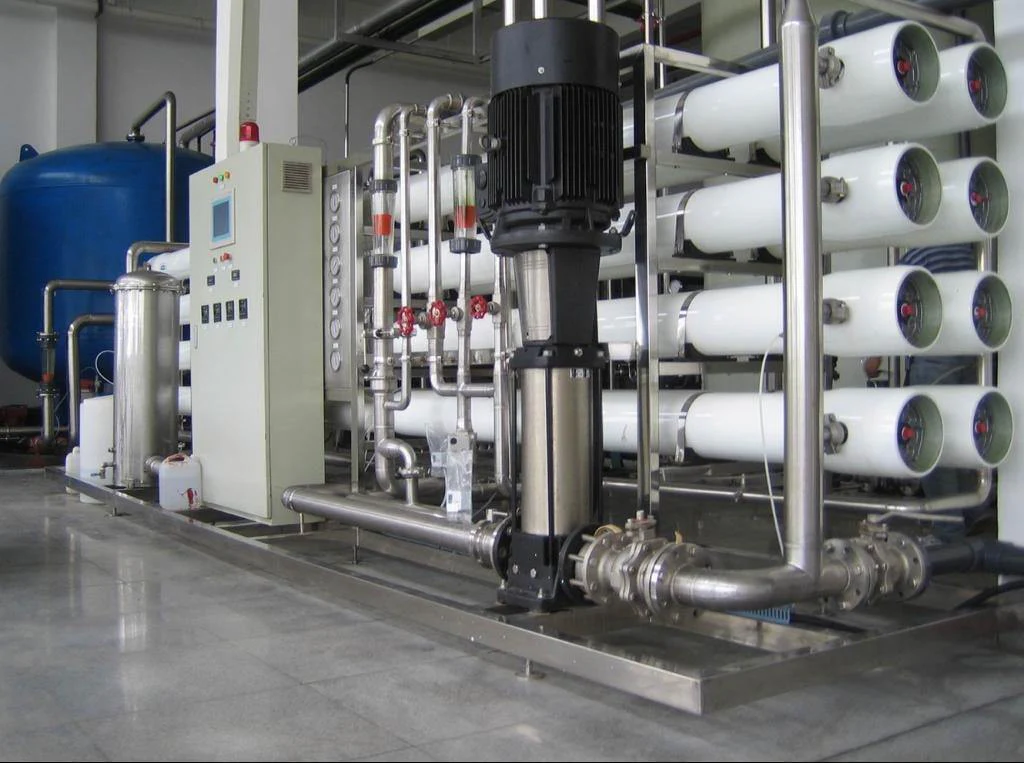
نظرة عامة على المشروع
يتضمن مشروع المرافق البلدية الحيوي هذا الإدارة الشاملة لعمليات التشغيل والصيانة (O&M) لمحطة معالجة المياه الرئيسية بتقنية التناضح العكسي (RO) التي تخدم مدينة أم الجرم. يُنفذ المشروع لصالح شركة المياه الوطنية (NWC)، ويكرس جهوده لضمان إمداد مستمر وموثوق وآمن من المياه الصالحة للشرب لسكان المدينة. من خلال الإدارة الفعالة لاستخراج وتنقية المياه الجوفية أو المياه المالحة عالية المستوى، تلعب هذه المبادرة دوراً محورياً في الحفاظ على الصحة العامة، ودعم التنمية الحضرية، وتعزيز الأمن المائي الإقليمي.
نطاق العمل
-
التشغيل المستمر للمحطة: الإدارة على مدار الساعة لدورة تنقية المياه بالكامل، بما في ذلك استخراج المياه الخام، وفلترة المعالجة الأولية، والفصل عالي الضغط عبر التناضح العكسي، والمعالجة النهائية (إعادة التمعدن والتعقيم).
-
الصيانة الوقائية والتصحيحية: تنفيذ جداول صيانة منهجية لجميع الأصول الكهروميكانيكية، مثل مضخات التغذية ذات الضغط العالي، والمضخات المعززة، ووحدات الحقن الكيميائي، ولوحات التحكم الكهربائية، للقضاء على فترات التوقف غير المجدولة.
-
إدارة الأغشية وتحسين الأداء: إجراء بروتوكولات الغسيل الكيميائي (CIP) الدورية، ومراقبة فرق الضغط عبر الغشاء (TMP)، وتحسين معدلات الاسترداد لزيادة العمر الافتراضي وكفاءة أغشية التناضح العكسي إلى أقصى حد.
-
ضمان جودة المياه: إجراء اختبارات مخبرية يومية صارمة ومراقبة مستمرة عبر المستشعرات (لمستويات الحموضة، والموصلية، والكلور) لضمان التزام المياه المنتجة بدقة بمعايير جودة مياه الشرب الصارمة الخاصة بشركة المياه الوطنية.
-
السلامة وإدارة المياه المرفوضة: التطبيق الصارم لبروتوكولات الصحة والسلامة والبيئة (HSE) للتعامل مع المواد الكيميائية، وضمان التخلص الآمن والمتوافق بيئياً من المياه شديدة الملوحة المرفوضة (Brine).
الأثر التكنولوجي (Technological Impact)
من خلال استخدام تقنية التناضح العكسي (RO) المتقدمة، تمتلك محطة أم الجرم القدرة على معالجة المياه الجوفية شديدة الملوحة وتحويلها إلى مياه شرب نقية بشكل استثنائي تلبي المعايير الصحية العالمية. يتيح دمج نظام المراقبة والتحكم وجمع البيانات (SCADA) المركزي للمشغلين المراقبة عن بعد للضغوط الهيدروليكية، ومعدلات التدفق، ومعايير جودة المياه في الوقت الفعلي. هذا المستوى العالي من الأتمتة لا يقلل فقط من هامش الخطأ البشري، بل يحسن أيضاً من استهلاك الطاقة لمضخات الضغط العالي، مما يضمن تشغيل المحطة بنسبة كفاءة عالية جداً بين استهلاك الطاقة وحجم إنتاج المياه.