Project Overview
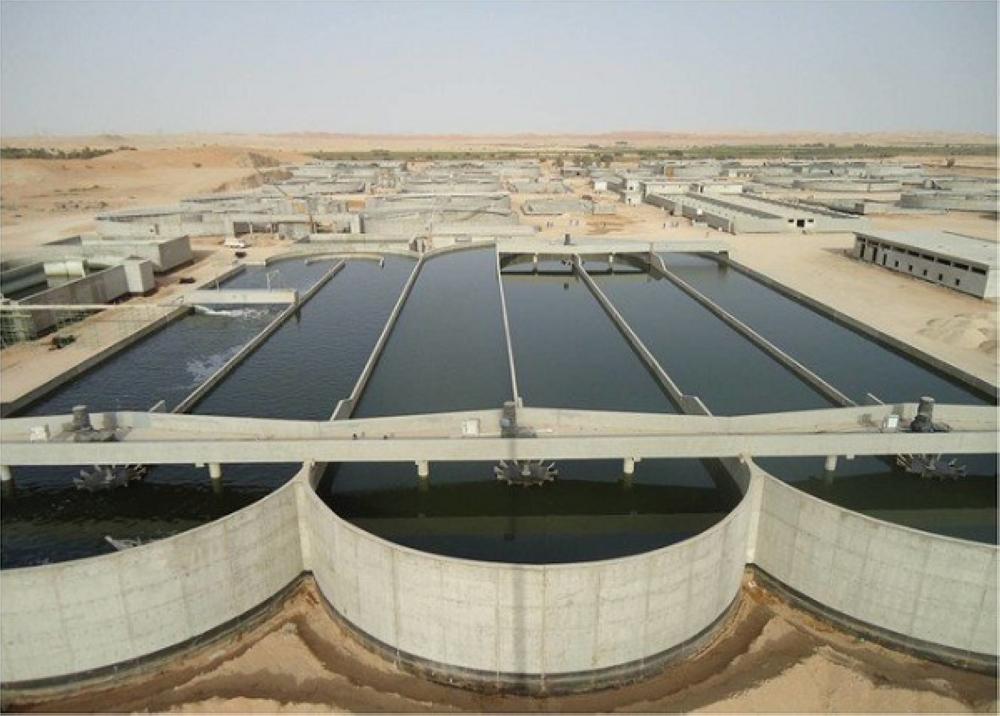
This extensive municipal infrastructure project involves the comprehensive Operation and Maintenance (O&M) of the Sewage Treatment Plants (STPs), underground sewage collection networks, and main pumping (lifting) stations across the cities of Tathleeth and Al Qirah. Executed on behalf of the National Water Company (NWC), the project is critical to managing the complete wastewater lifecycle for these urban areas. By ensuring the continuous, safe, and efficient transport and biological treatment of municipal wastewater, the initiative safeguards public health, prevents environmental contamination, and elevates the overall sanitation standards of both cities.
Scope of Work
-
STP Daily Operations: 24/7 management of the domestic wastewater treatment cycle across the facilities, overseeing preliminary screening, biological aeration, clarification, sludge settling, and final effluent disinfection.
-
Pumping Station Management: Continuous monitoring, operation, and maintenance of main and sub-lifting stations to ensure the uninterrupted hydraulic flow of raw sewage from residential networks to the treatment plants, preventing overflows and backups.
-
Network Maintenance: Routine inspection, hydro-jet cleaning, and unblocking of the extensive underground sewage pipeline networks and manholes connecting Tathleeth and Al Qirah.
-
Electromechanical Overhaul & Servicing: Executing systematic preventive and corrective maintenance on all critical MEP assets, including heavy-duty submersible sewage pumps, aeration blowers, mechanical screens, and Motor Control Centers (MCCs).
-
Quality Control & Sludge Handling: Conducting daily laboratory analyses to ensure the treated effluent strictly meets NWC’s environmental discharge guidelines. Managing the safe dewatering, transportation, and eco-friendly disposal of biological sludge.
Technological Impact
Managing distributed wastewater networks across multiple cities requires high-level coordination, which is achieved through the integration of centralized SCADA (Supervisory Control and Data Acquisition) telemetry systems. This technology allows operators to remotely monitor wet well levels, pump statuses, and flow rates at unmanned lifting stations in real-time, enabling rapid response to blockages or mechanical trips before urban flooding occurs. Additionally, the implementation of ultrasonic level sensors and automated VFD (Variable Frequency Drive) pumps in the lifting stations dynamically adjusts pumping speeds based on actual sewage inflow, drastically reducing electrical energy consumption and minimizing mechanical wear on the pumps.