Project Overview
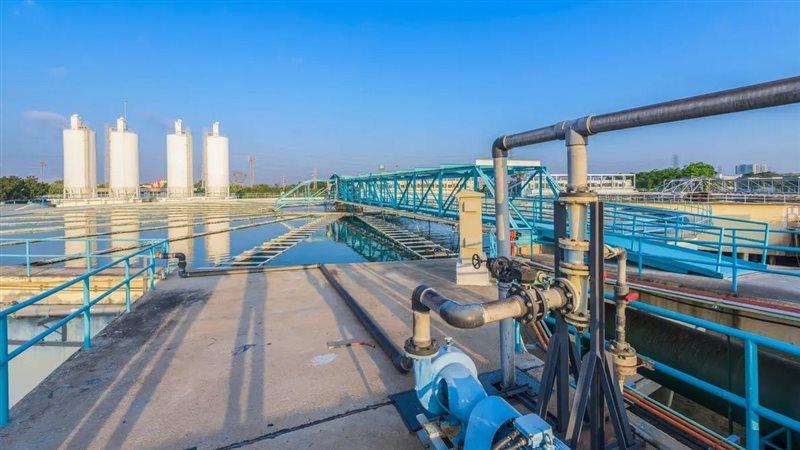
This project, carried out for the National Housing Company (NHC), involves the operation and maintenance of a 10,000 m³/day water treatment plant serving the Industrial Valley development at Murcia, Riyadh.
The project aims to ensure the continuous, reliable, and efficient operation of the water treatment facility through comprehensive operation, preventive maintenance, corrective maintenance, monitoring, and performance optimization activities. The scope covers the operation and maintenance of mechanical, electrical, instrumentation, control, and associated utility systems to maintain the required treatment capacity and operational performance.
The project supports sustainable water management within the development by ensuring reliable water treatment services, optimizing plant performance, extending the service life of critical equipment, reducing operational downtime, and maintaining compliance with applicable technical, environmental, safety, and operational requirements.
Scope of Work
The project encompasses comprehensive operation and maintenance activities for the 10,000 m³/day water treatment plant, including:
-
Operation and monitoring of the water treatment plant and associated process units.
-
Continuous monitoring of plant operating parameters, water flow, pressure, levels, and treatment performance.
-
Operation and maintenance of mechanical equipment, including pumps, motors, valves, piping systems, filtration equipment, tanks, and auxiliary systems.
-
Preventive and corrective maintenance of treatment plant equipment to ensure reliable and continuous operation.
-
Inspection, troubleshooting, repair, and replacement of defective, worn, or damaged components.
-
Operation and maintenance of electrical systems, including MCCs, electrical panels, power distribution systems, and associated equipment.
-
Maintenance and calibration of instrumentation, sensors, analyzers, control devices, PLC systems, and SCADA interfaces.
-
Monitoring and optimization of chemical dosing and associated treatment systems, where applicable.
-
Regular inspection and monitoring of treated-water quality to ensure compliance with specified operational requirements.
-
Implementation of preventive maintenance schedules based on equipment operating hours, manufacturer recommendations, and asset condition.
-
Emergency and breakdown maintenance to minimize plant downtime and restore equipment to normal operating conditions.
-
Monitoring and optimization of energy and chemical consumption to improve overall plant efficiency.
-
Testing and verification of equipment and systems following maintenance and repair activities.
-
Preparation and maintenance of operational logs, maintenance records, inspection reports, performance reports, and equipment histories.
-
Monitoring of plant performance indicators, including availability, treatment capacity, equipment reliability, energy consumption, and maintenance performance.
-
Technical support for troubleshooting, process optimization, and operational improvements.
-
Ensuring compliance with occupational health, safety, and environmental (HSE) requirements throughout plant operation and maintenance activities.
Technological Impact
The project enhances the reliability and efficiency of the water treatment infrastructure through the application of systematic operation and maintenance practices, process monitoring, automation, instrumentation, and preventive maintenance technologies. Continuous monitoring of plant parameters and equipment condition supports early identification of operational abnormalities, reduces unplanned failures, and improves overall plant availability.
The project also supports the digitalization and optimization of water-treatment operations through the use of PLC/SCADA-based monitoring and control systems, where installed, enabling improved process visibility, operational control, alarm management, and performance tracking. Preventive and condition-based maintenance practices contribute to extending equipment service life and reducing maintenance-related downtime.
From a sustainability perspective, optimization of pumping systems, treatment processes, energy consumption, and chemical usage contributes to more efficient operation of the 10,000 m³/day facility. The project therefore supports reliable and sustainable water management for the Murcia development while improving asset reliability, operational safety, treatment performance, and long-term infrastructure efficiency.